
Stewardship of the Land: Solving the Litter Problem in District 157

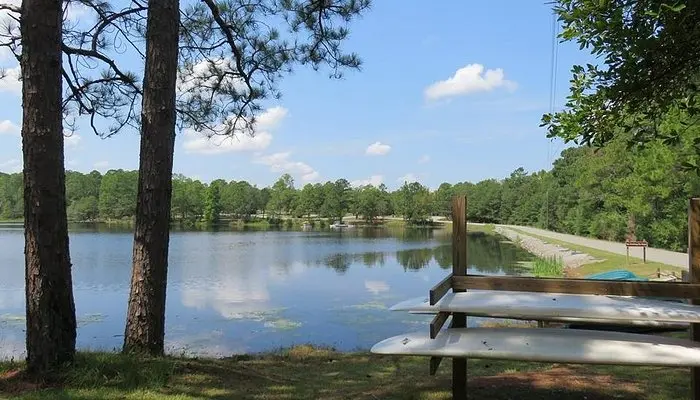
We take a lot of pride in our land here in Southeast Georgia. Whether you are farming sweet onions in Tattnall, managing timber in Appling, or just enjoying a weekend fishing on the Altamaha River, the land is a big part of who we are. It is our heritage and our economy.
But right now, we have a serious trash problem.
If you drive down any rural dirt road or county highway in District 157, you are going to see it. Fast food cups, household garbage, scrap tires, and thousands of plastic grocery bags are piling up in our ditches and timber stands. It is an ugly sight, but it is also costing us real money and hurting our local farmers.
The True Cost of Trash
Most folks do not realize how much money we waste cleaning up after people who litter or dump their trash illegally.
The state spends over $10 million a year picking up garbage along the highways. But the real burden falls on our local county governments. In places like Appling and Tattnall counties, we are spending hundreds of thousands of dollars just to scrape trash off the dirt roads.
When a plastic grocery bag blows into a drainage ditch, it blocks the culvert. The next time we get a heavy summer thunderstorm, the water backs up, washes out the dirt road, and the county has to send a crew out to fix it. That is your tax money being spent to clean up someone else’s mess. On top of that, as regional landfills fill up and close down, our local garbage collection fees keep climbing.
Hurting Our Farms and Rivers
The folks getting hit the hardest by this are our farmers and timber owners.
Cotton is a huge part of our local economy, and Georgia cotton farmers are known for growing some of the best fiber in the world. But when a plastic grocery bag blows out of a truck bed and lands in a cotton field, the harvesting equipment sweeps it right up with the crop. That plastic gets tangled in the cotton bales and ruins the fabric at the textile mill. The farmers end up taking a massive financial hit when buyers discount their cotton because of plastic contamination.
It is also happening in our timberlands. People are illegally dumping old appliances, tires, and construction debris on private property. When a logging crew comes through to harvest the timber, their expensive heavy equipment can strike that hidden garbage, causing thousands of dollars in damage.
And of course, all this plastic eventually washes into our creeks and into the Altamaha River, where it breaks down and pollutes the water we rely on.
Taking Personal Responsibility
We do not need heavy handed government rules or massive new taxes to fix this. We just need to take some personal responsibility for our home.
True stewardship of the land means stepping up as a community. We can support our local volunteer cleanup crews, keep our agricultural plastics out of the fields, and crack down on illegal dumping. But the easiest and most effective thing you can do right now is to stop using flimsy plastic grocery bags.
The average family goes through hundreds of those single-use plastic bags every year. They take a thousand years to break down. Every time you bring your own bag to the store, that is one less piece of plastic that might end up ruining a farmer’s crop or washing out a county road.
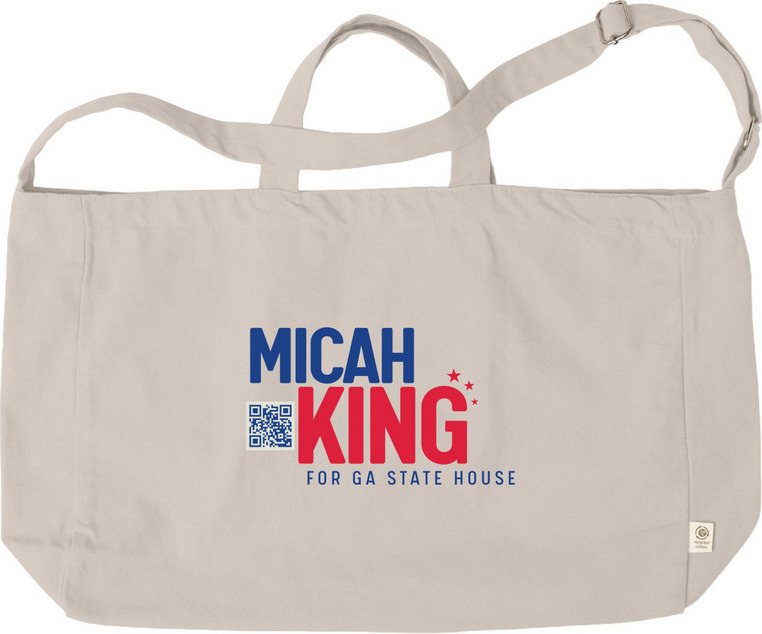
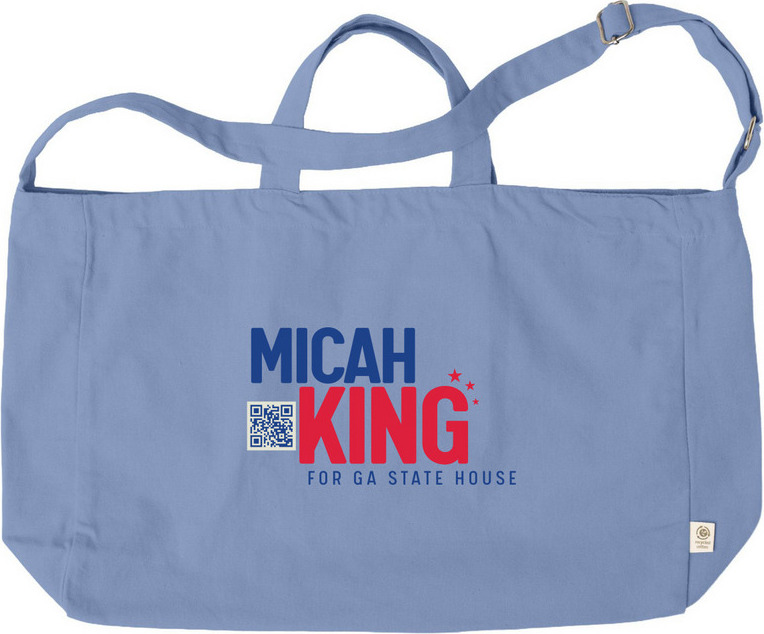
That is why we launched our official line of Micah King for State House Premium Canvas Tote Bags.
They are tough, made from recycled materials, and perfect for loading up at the grocery store or the farmers market. Picking one up directly funds our campaign to bring real, practical solutions to the State House, and it helps keep District 157 beautiful.
Small choices add up. Get your tote bag today, keep a few in the back seat of your truck, and let us take care of the land that takes care of us.

Micah King
Candidate for Georgia House of Representatives District 157 representing Tattnall, Jeff Davis, Appling, and Evans counties.

