
How to Beat the Heat in District 157 This Summer

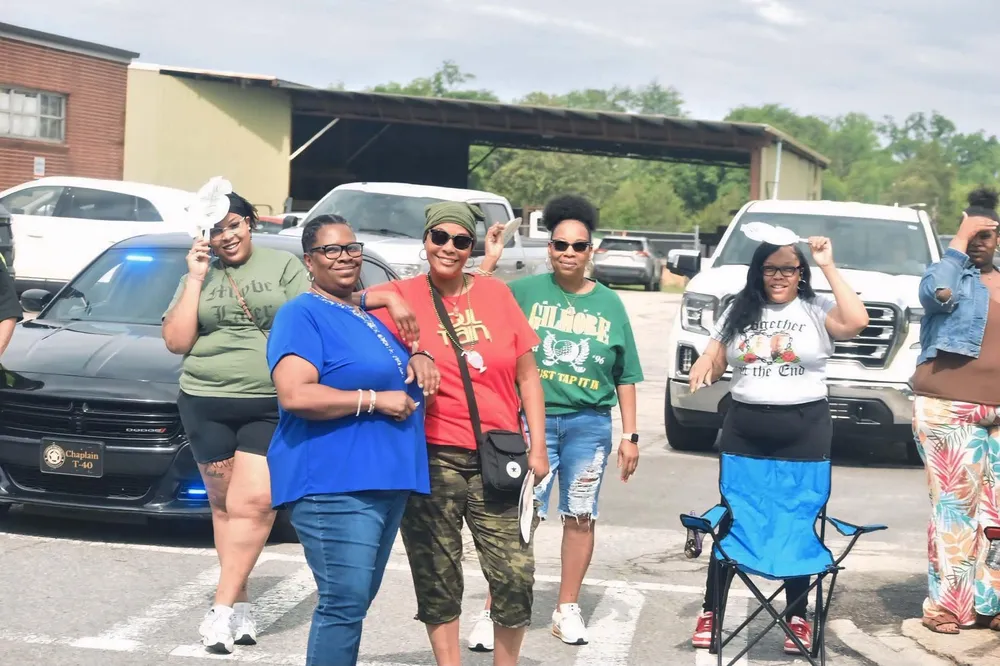
If you have spent any time in Tattnall, Evans, Jeff Davis, or Appling counties over the last few summers, you already know the truth: it is getting hotter.
Our local economy is built on outdoor work. We rely on farmers, forestry crews, poultry workers, and construction teams to keep our district running. But as the summers drag on longer and the heat hits harder, the physical strain on the hardworking people of District 157 is becoming a serious issue.
This is not just about being uncomfortable. When the temperature spikes and the classic Southeast Georgia humidity sets in, it becomes a true public health and economic challenge. Here is a look at what is happening and, more importantly, how we can protect ourselves.
The Reality of Our Changing Summers
We are used to hot summers. Historically, we expect a few 100 degree days and plenty of days in the 90s. But those extremes are becoming more common. Glennville hit a staggering 113 degrees back in 2001, and Appling County hit 107 degrees in 2012.
The real danger here is not just the heat. It is the humidity.
When you get hot, you sweat. As that sweat evaporates, it cools your body down. But when the air is thick with humidity, your sweat has nowhere to go. It just sits on your skin, and your body loses its natural ability to cool off. This is what meteorologists mean when they talk about “wet bulb” temperatures or the heat index. A 90 degree day with high humidity is far more dangerous than a 100 degree day in the desert.
When these high pressure “heat domes” park over Southeast Georgia, they trap that hot, wet air close to the ground, day after day.
The Hit to Our Local Farms
Agriculture is the backbone of District 157. When extreme heat hits, our farmers feel it first.
Our sandy soils are great for growing the world famous Vidalia sweet onion, but they do not hold water well. During a heatwave, farmers have to run irrigation systems constantly just to keep the crops alive, driving up fuel and utility costs. The heat stresses the plants, giving aggressive weeds a chance to take over, which means more money spent on control.
Livestock and poultry operations take a massive hit, too. Cows grow slower and require more veterinary care. Indoor poultry houses need massive amounts of electricity to keep industrial fans running. If a summer storm knocks out the power during a heatwave, the results can be devastating for a local grower.
Keeping Our Outdoor Workers Safe
The human cost of this heat is even more concerning. Farmworkers and outdoor crews face the highest risk. When you are doing heavy manual labor in 110 degree heat index conditions, your body is fighting a losing battle.
This leads to a range of heat illnesses:
- Heat Rash: Trapped sweat that causes painful, red bumps.
- Heat Cramps: Painful muscle spasms caused by sweating out too much salt and water.
- Heat Exhaustion: Extreme weakness, heavy sweating, nausea, and a racing heart. This is your body begging you to stop.
- Heatstroke: This is a life threatening emergency. Your body stops sweating entirely, your skin gets red and dry, and your organs can start to shut down.
In Georgia, men and agricultural workers make up the vast majority of emergency room visits for heat illness. We have to look out for each other on the job site.
The Hidden Danger: Sunburn
Most people think a sunburn is just an annoying, painful part of summer. But a bad sunburn actually cripples your body’s ability to survive the heat.
When you get sunburned, your skin gets inflamed. It swells up and actually blocks your sweat glands from working properly. A bad sunburn means you cannot sweat efficiently for days. If you go back to working in the heat with a bad sunburn, you are putting yourself on the fast track to heat exhaustion.
Preventing sunburn is not just about avoiding skin cancer down the road. It is about making sure your body’s cooling system works today.
What You Can Do Right Now
To keep your family and your coworkers safe when the forecast crosses 100 degrees, keep this checklist in mind:
- Drink Water Before You Are Thirsty: Thirst means you are already dehydrated. Keep drinking water and sports drinks with electrolytes all day long.
- Use the Buddy System: Heat stroke messes with your brain. You might not realize you are in danger. Keep an eye on the people working next to you. If they stop sweating or act confused, get them into the AC immediately.
- Watch Your Medications: Talk to your doctor or pharmacist. Common blood pressure medications and antidepressants can actually stop your body from sweating or dilating blood vessels to cool down.
- Know Where to Cool Off: If your home AC cannot keep up, go to one of our local public libraries in Baxley, Hazlehurst, Reidsville, Glennville, or Claxton during the hottest part of the afternoon.
- Shift Your Schedule: If you have heavy outdoor work to do, get it done before 10:00 a.m. or wait until the sun starts going down.
Block the Sun Completely
The absolute best way to prevent a sunburn and keep your core temperature down is simple: block the sun.
You need a solid, Broad Spectrum SPF 50 sunscreen (like Neutrogena Ultra Sheer or Blue Lizard Mineral Sunscreen) applied every 80 minutes. But a chemical lotion can only do so much in the South Georgia sun. You need physical shade for your face and neck.
That is why we launched our official line of Micah King for State House hats. They are practical, tough enough for farm work, and keep the sun off your face. Best of all, picking one up directly funds our fight to bring real economic relief and better healthcare access to District 157.
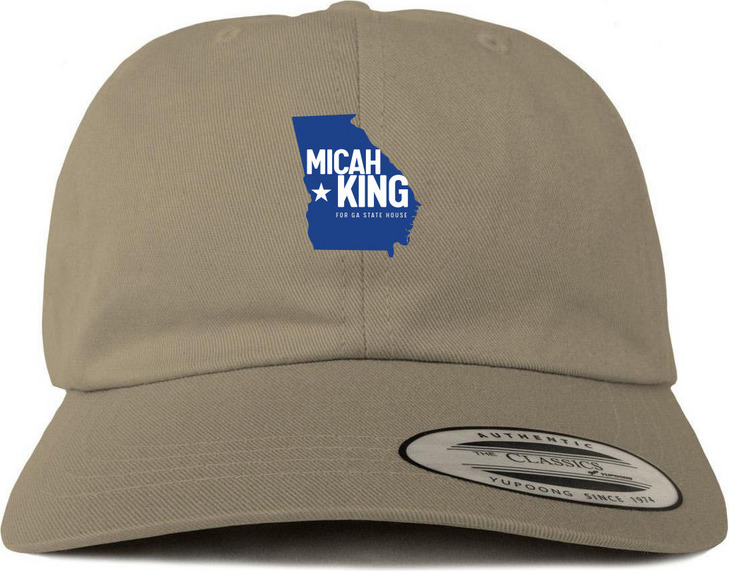
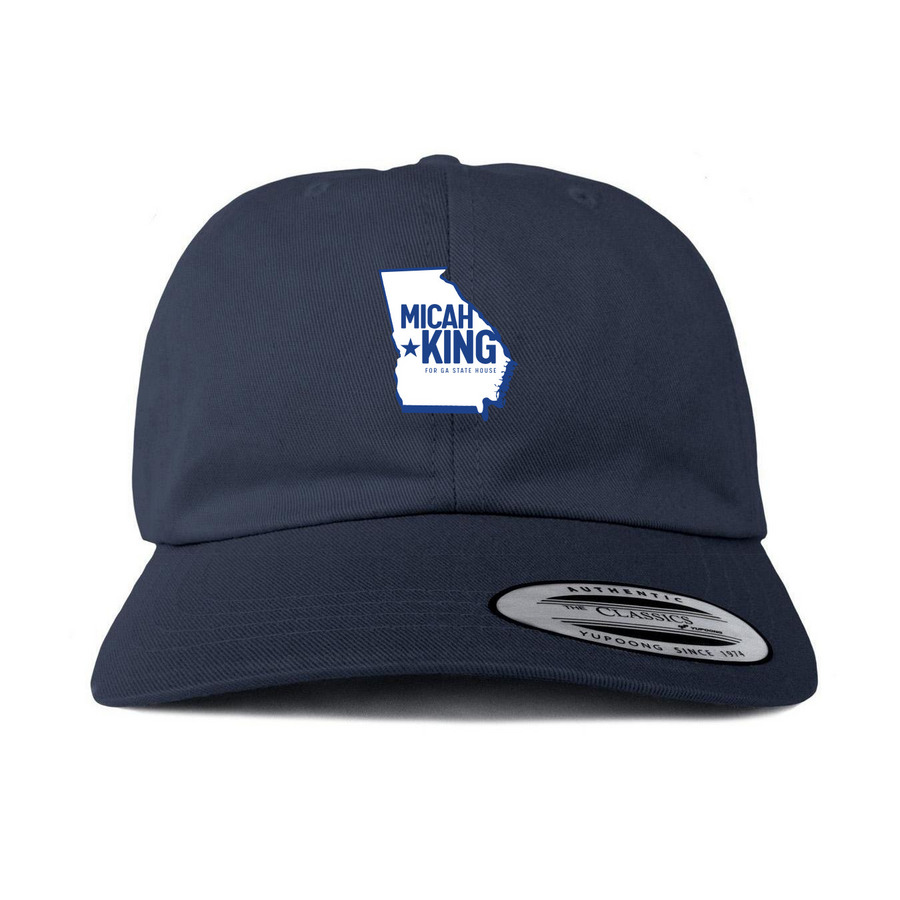
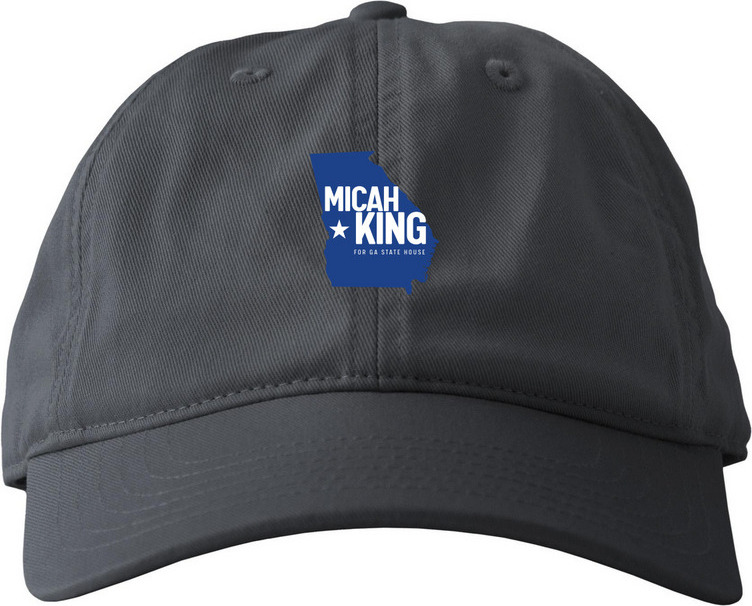
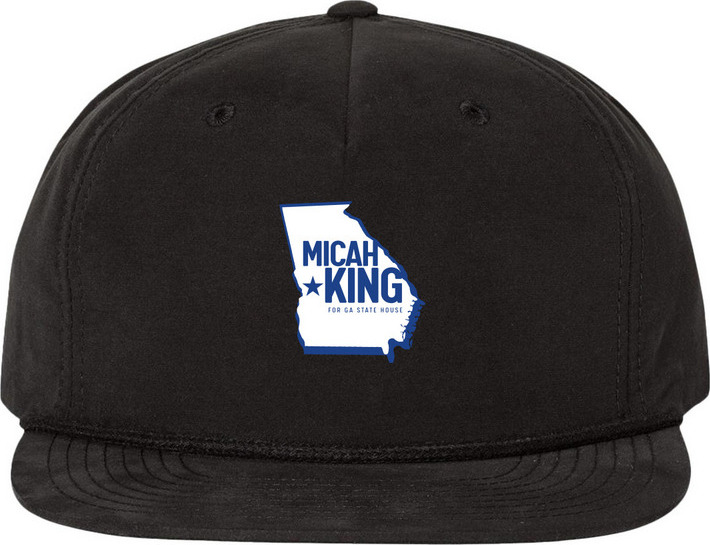
Grab a hat, put on your sunscreen, drink plenty of water, and stay safe out there this summer.

Micah King
Candidate for Georgia House of Representatives District 157 representing Tattnall, Jeff Davis, Appling, and Evans counties.
